Pharma 4.0: Building Smart Factories Through Integration and Validation
In recent years, many leaders in the Life Sciences industry have heard the same message over and over:
“You need to apply AI and Machine Learning now, or your competitors will, and they’ll make faster, smarter decisions.”
It sounds convincing. And it’s true: data-driven decision-making has the power to replace assumptions and intuition with insights based on real patterns. But here’s the catch: without good data, there is no AI. And without integration, automation, and digital maturity, ML can’t do its job.
This article is not about the hype, it’s about what’s required to prepare a pharma company for machine learning and digital transformation.
From Traditional Systems to Machine Learning: A Paradigm Shift
In traditional systems, the logic is hardcoded by developers:
“If condition A is met, execute action B.”
These systems are rule-based. They don’t “learn,” and they don’t need data to be structured, just good enough to trigger programmed responses.
Machine Learning is different. You don’t code the logic in advance. Instead, the algorithm learns patterns from historical data to make predictions or decisions. That means:
If your data is poor, your model will learn and replicate poor decisions.
So now, the priority is reversed: the quality, structure, and accessibility of your data become the foundation for system performance.
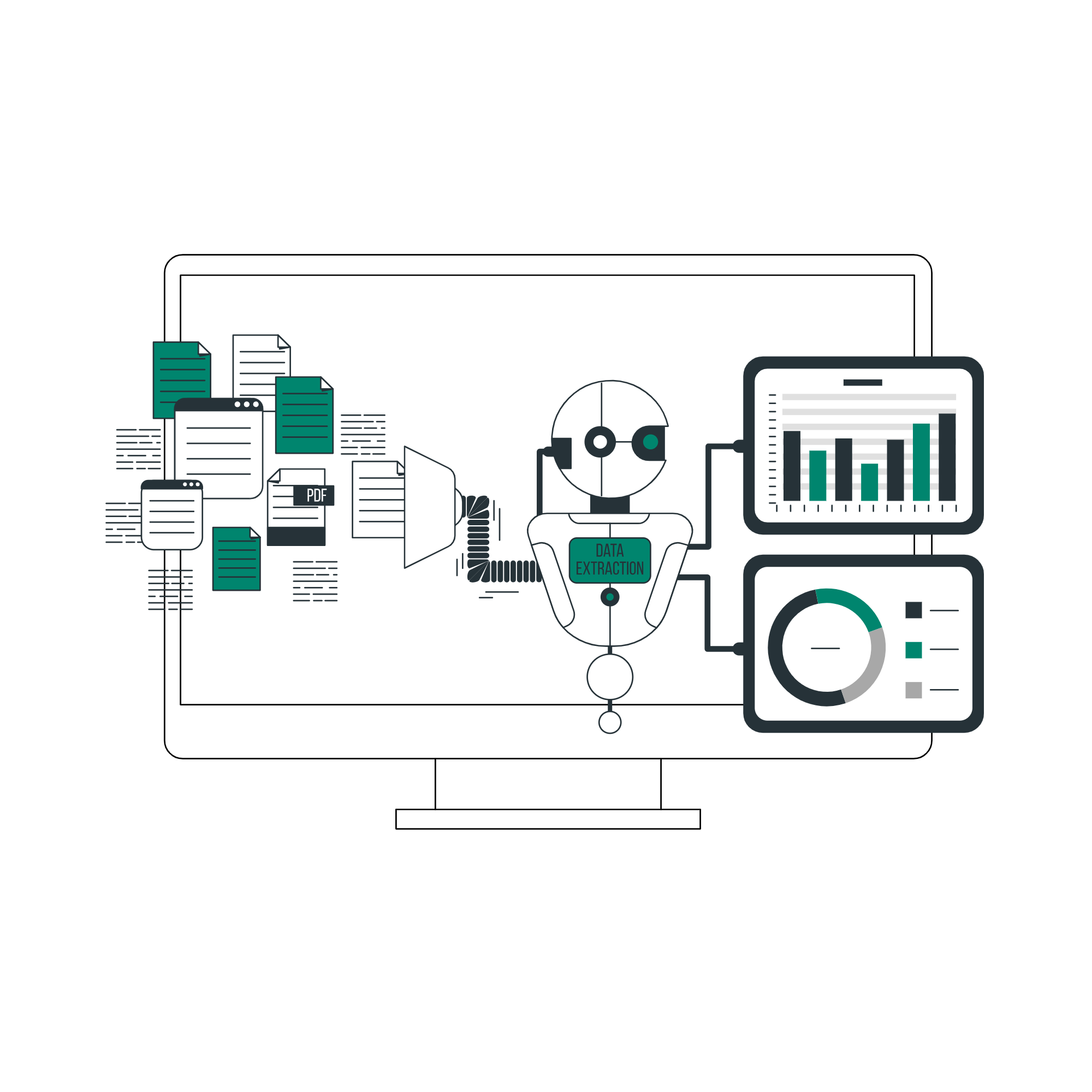
The Real Problem in Pharma: Data Is Still Manual
Here’s where the Life Sciences industry, especially pharma, hits a wall.
While industries like automotive reinvented themselves in the 1980s and 1990s, pharma stayed in its comfort zone, supported by high margins and heavy regulation.
The result? Most processes still rely on:
- paper forms,
- unconnected instruments,
- Excel spreadsheets,
- manual reconciliations,
- isolated databases.
Companies want AI, but they don’t even have Electronic Batch Records (EBR) or LIMS in place. Their HPLCs aren’t connected. HVAC systems lack intelligent automation. And data lives in silos.
So, how can we expect to centralize data in a data lakehouse, let alone apply AI, when critical operations aren’t even digital?
The “Better Not Touch It” Mentality
“Better not change the system, it’s validated.”
“What if the auditor doesn’t understand the new technology?”
This mindset is understandable, but dangerous. The truth is that most auditors are competent and welcome validated automation when it increases control and reduces human error.
A validated digital system can offer transparency, traceability, and compliance than a manual process ever could. Auditors know that, and so should we.
CAPEX vs. OPEX: The Investment Dilemma
Yes, automation and validation require capital investment (CAPEX). But they also reduce recurring operational costs (OPEX), including:
- labor-intensive batch reviews,
- energy costs from inefficient HVAC systems,
- manual rework due to late quality control failures.
Take HVAC systems, for example, they are often the single largest energy consumers in GMP pharmaceutical facilities, particularly in cleanroom environments.
“Right First Time” and Process Intelligence
Now let’s talk about quality.
We should not be discovering that a product failed specifications after packaging thousands of blisters. If the API concentration is out of spec, we shouldn’t have to unpack, destroy, or reprocess entire batches.
Technologies like PAT (Process Analytical Technology) enable real-time analysis in, on, or at the line, so that only compliant products move forward. That’s “Right First Time” in action.
Missed Opportunities in Business Intelligence
Forget AI for a moment.
Why do many pharma companies still assign teams to manually compile Product Quality Reviews (PQRs)? These reports involve structured data, such as batch records, deviations, complaints, and material usage, that could be automatically consolidated and visualized through a validated BI system.
That’s not just about saving time, it’s about reallocating skilled professionals from data transcription to trend analysis and decision-making.
What About Continued Process Verification (CPV)?
CPV is not new, and it’s not optional. It’s a regulatory requirement that calls for real-time monitoring of Critical Process Parameters (CPPs) and Critical Quality Attributes (CQAs), along with early detection of deviations and trends.
But for CPV to function, you need:
- Consistent and automated data collection
- Integrated systems and equipment connectivity
- End-to-end visibility across manufacturing and R&D
Once again, this underscores the need for a digitally mature infrastructure.
Conclusion: Data Is the New Oil, But Only If It’s Refined
Everyone agrees that data is the new oil.
But oil in the ground has no value until it's extracted, refined, and distributed. The same goes for company data.
You can’t reduce inventory levels or optimize purchasing if you don’t have predictive insights from historical data.
You can’t implement ML if your systems aren’t integrated.
You can’t improve efficiency if your process parameters aren’t connected or analyzed in real time.

Final Thoughts
Digital transformation is not a trending term, it’s now a regulatory expectation and a competitive necessity.
Whether you're looking to:
- implement AI/ML,
- improve CPV and PAT compliance,
- or reduce energy and operational costs,
you need a solid digital foundation.
Let’s Work Together
FIVE Validation is a company that specializes in computerized system validation and digital transformation for regulated industries. Our team combines regulatory expertise with an innovation mindset to help your business:
- identify current digital maturity gaps,
- validate critical systems,
- and move toward automation and AI, with regulatory compliance.