How to Validate HVAC Systems in Compliance with FDA, EMA, and ISO Standards: An Agile Approach with Digital Support
Introduction
Heating, Ventilation, and Air Conditioning (HVAC) systems play a fundamental role in maintaining air quality in cleanrooms and controlled environments used in pharmaceutical and biotechnology manufacturing. Validating these systems is essential to ensure that products are manufactured under controlled and safe environmental conditions, as required by regulatory authorities.
Regulatory Standards and Guidelines
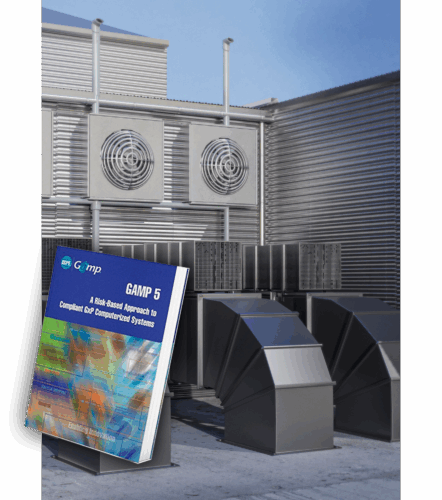
GAMP5® was first introduced in 2008 to help companies understand how to validate software and computerized systems used in regulated industries. The Second Edition, released in 2022, updates these guidelines to address modern technologies, including cloud computing, automation, and artificial intelligence (AI).
It also reinforces the importance of a risk-based approach to validation, meaning that companies should focus on areas that could impact patient safety, product quality, or data integrity.
Key Technical Standards
- ISO 16401 – Air-conditioning systems: design, comfort parameters, and indoor air quality
- ISO 14644-1 – Cleanrooms and associated controlled environments: Classification of air cleanliness by particle concentration
- ISO 14644-3 – Test methods for cleanrooms
- ISO 14698-2 – Biocontamination control: Evaluation and interpretation of biocontamination data
Key Regulatory References:
- FDA 21 CFR Part 210/211 – Current Good Manufacturing Practice (cGMP) for Finished Pharmaceuticals
- FDA 21 CFR Part 11 – Electronic records and electronic signatures
- EU GMP Annex 1 – Manufacture of Sterile Medicinal Products
- EMA Guidelines – Related to HVAC, cleanroom classification, and environmental monitoring
- ISPE GAMP5® Guide – Risk-based approach to compliant computerized systems
Validation of Computerized Systems (SCADA/Supervisory Control)
The HVAC supervisory system (SCADA) acts as the interface between operators and automation equipment. It should comply with electronic records and data integrity requirements set by FDA 21 CFR Part 11 and GAMP5®.
Minimum Required Functionalities:
- Role-based access control with unique user IDs
- Audit trails for changes in critical parameters
- Secure data records and electronic signatures
- Timestamped user actions with traceability of the author
A common challenge is validating Human-Machine Interfaces (HMIs), which often lack proper audit trail capabilities. A detailed risk assessment is essential when HMIs are used to modify critical environmental parameters.
HVAC System Architecture
HVAC automation systems are composed of multiple hardware and software components:
- Programmable Logic Controllers (PLCs), HMIs, supervisory servers, and local displays
- Critical operations can be executed via both SCADA and local interfaces (e.g., HMI touchscreens)
- Validation activities must ensure that all interfaces, including local operator panels, comply with data integrity requirements and do not bypass centralized control or audit logging.
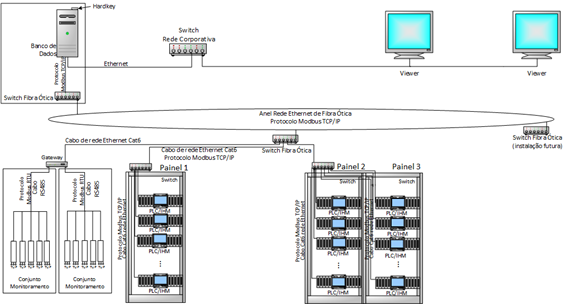
Figure 1: Example of a hardware architecture for an HVAC automation and control system
Risk Management
Following GAMP5® and FDA data integrity principles, a risk-based approach is essential when validating HVAC systems. Below are examples of typical risks:
- Critical parameter changes performed via HMI without traceability
- Lack of user identification when modifying environmental setpoints
- Local frequency inverter displays that allow unauthorized adjustments
- Manual overrides that prevent the supervisory system from controlling key components
Risk Mitigation Strategies Include:
- Physical or electronic locks on interfaces
- Enforced supervisory system settings
- Selection of HMIs that support Part 11-compliant audit trails

Agile Validation and the GO!FIVE® Platform
Agile validation is a modern, iterative, and flexible approach that ensures compliance while allowing fast and adaptable implementation. The GO!FIVE® digital platform enables this strategy by offering:
- Area-based deployment: Cleanrooms, warehouses, or HVAC zones can be validated independently
- Incremental testing: Functional checks can be completed progressively for each section
- Progressive release: Validated areas can begin operation before full-system completion
- The platform includes a pre-built validation content library with requirements, risk scenarios, and test cases tailored for HVAC, helping to streamline documentation and regulatory compliance with FDA, EMA, and ISO standards.
Environmental Monitoring Systems
Temperature, relative humidity, and differential pressure are typically monitored continuously to ensure environmental compliance. These sensors can be part of the HVAC control system or operate independently.
However, if the control system is not validated, there’s no guarantee that changes or deviations are traceable. Regulatory bodies such as the FDA and EMA increasingly expect validation of both control and monitoring systems, even when they are managed separately.
Failure to validate the control system can compromise investigations into deviations due to missing or unreliable data on who made changes, when, and why.
Critical Points to Evaluate
HVAC systems serving GMP-classified areas are considered direct impact systems. Each subsystem must be assessed to identify critical instruments and components.
Key considerations include:
- Critical parameters – Pressure differentials, airflow patterns, temperature, and humidity
- Critical components – HEPA filters, dampers, humidifiers, dehumidifiers
- Critical instruments – Sensors responsible for monitoring and controlling the above parameters
Software Validation Requirements
The SCADA system used in HVAC should be treated as a critical computerized system due to its impact on product quality and process control. Validation deliverables are required, including:
- Expected system behavior (functional requirements)
- Risk analysis and mitigation plans
- Test plans and results
- Strategies for ensuring continued system performance over time
Request a Sample HVAC Validation Package
Interested in seeing how agile, digital validation works in practice?
Request a sample package that includes a traceability matrix with 10 rows of
sample requirements, risks, and test cases.
Schedule a meeting and include the note:
"HVAC Validation Sample Request"
GAMP5® is a guide for which its intellectual rights are reserved by ISPE®. Available for purchase at https://ispe.org/.